Movements of the Cinereous vulture
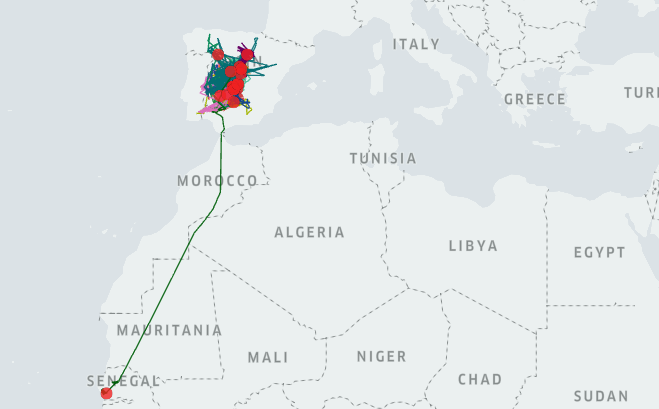
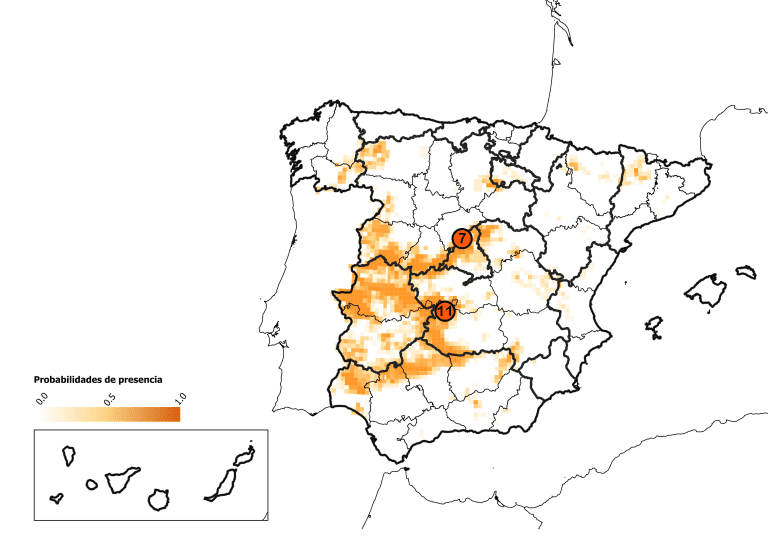
See interactive mapThe breeding population of the cinereous vulture is located mainly in the southwestern quadrant of the peninsula, with isolated nuclei also in Mallorca, Lleida and Burgos, some of the latter the product of reintroductions. Currently the breeding population is just over 2,500 pairs, according to the 2017 national census. In winter, its movements mean that it can be observed almost anywhere in Spain, although it is still more common in the areas where it breeds.
Technical information
Years of tagging
2002 / 2006 / 2008 / 2010 / 2011 / 2012 / 2013 / 2014 / 2015 / 2016 / 2017 / 2018 / 2019 / 2020 / 2021
Download report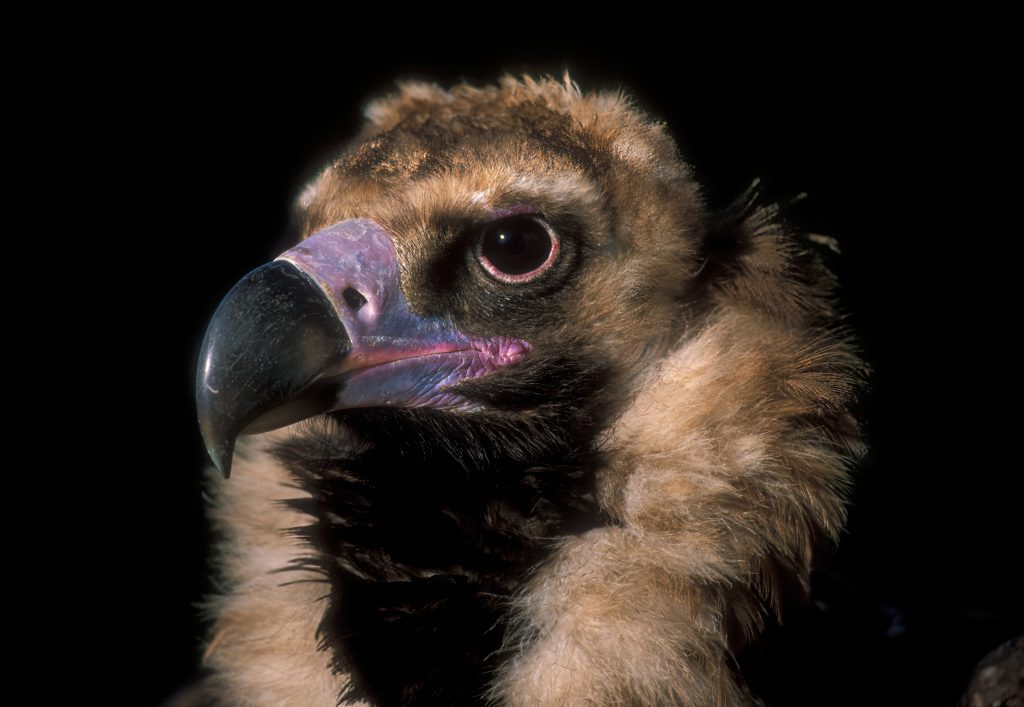
Devices used
- GPS-GSM transmitter
- Satellite transmitter
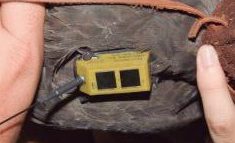
The bird's position is determined using a GPS device, and the location data are transmitted via GSM (global system for mobile communications) to either a server or a mobile terminal for downloading. In areas with limited mobile phone coverage, such as vast regions in Africa, the ability to transmit information is hindered, although data are still collected and sent once a mobile signal is found.
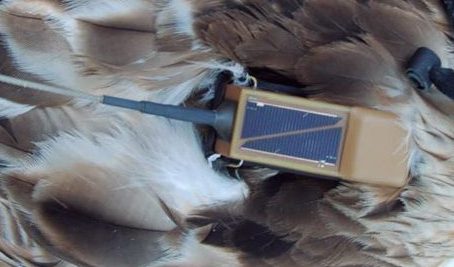
These are devices that record the geographic location and transmit it in the form of a signal that is picked up by the Argos satellite system. The signal is forwarded to a ground reception centre that processes the data, calculates the locations, and makes the information available via the web. There are two types of satellite transmitter: those with a built-in GPS, and those without.
These transmitters can be programmed in various annual cycles to collect and send location data in messages at specific time intervals. The transmitter's battery life decreases as the number of active hours per day, the frequency of location data collection, and the frequency of data transmission increase. These devices are currently available in their conventional version, weighing a minimum of 5 g, or 17 g with GPS.
Specimens by province
More information on other websites about the
Cinereous vulture
Acknowledgements
From SEO/BirdLife we want to thank the work carried out by the authors of the analysis, obtaining results and writing the texts that make up this monograph, an essential step to publicly expose the work carried out by different groups and know the movements of the breeding population of the black vulture. in Spain: Jorge García-Maciá and Vicente Urios
From SEO/BirdLife we also appreciate the work carried out by the people involved in bird tagging, data management and management of the projects that have contributed to this monograph and that appear in the different sections of the credits of this publication.
Of course, it is very important to highlight and thank the contribution of the collaborating entities that financed each of the projects developed by the Junta de Extremadura, especially the involvement of Ángel Sánchez and José María Abad Gómez-Pantoja; GREFA, especially the support of Manuel Galán and Ernesto Álvarez; Trenca, through Núria Vallverdú Coll; Sierra de Guadarrama National Park, for the support provided by Juan Vielva; Cabañeros National Park, for the transfer of information through Ángel Gómez Manzaneque, entities that appear in the corresponding section on the first pages of this monograph. We dedicate special thanks in this regard to the Iberdrola Spain Foundation, which has financed the Migra program since 2011 and thanks to which eight other monographs have already been published with parallel works to the one presented here for the black vulture.
From GREFA, we dedicate special thanks to MITECO-Fundación Biodiversidad, RNC de Boumort, Generalitat de Catalunya, Government of Aragón and SARGAS, Junta de Castilla y León and AGALSA, Government of La Rioja, Junta de Comunidades de Castilla-La Mancha, Comunidad of Madrid, Junta de Extremadura, Junta de Andalucía, Red Eléctrica and EDP-renovables.
From Trenca, we dedicate special thanks to the Department of Climate Action, Food and Rural Agenda of the Generalitat of Catalonia, the Government of Aragon (SARGA), the Boumort National Caça Reserve, the Cos d’Agents Rurals de Catalunya (CAR ), the Muntanya Support Group of the CAR and the Barcelona Zoo.
We thank the Generalitat of Catalonia, the Junta of Castilla-La Mancha, the Junta of Castilla y León, the Junta de Extremadura and the Community of Madrid for providing the necessary permits for the marking of individuals in their respective autonomous communities. Among many other people, they collaborated with field work, technical support and data management:
Finally, this monograph had the valuable collaboration and support of the SEO/BirdLife staff who collaborated with the development of this publication.